In a recent Law360 article, Baker McKenzie partner David Zaslowsky examines the FDIC’s most recent proposed rule to implement the Guiding and Establishing National Innovation for US Stablecoins (GENIUS) Act. The proposed rule represents the financial crime compliance pillar of this emerging regime, following earlier agency proposals addressing application procedures and prudential requirements.
Under the proposed rule, FDIC-supervised permitted payment stablecoin issuers would be required to implement robust, risk-based compliance programs. These programs would encompass core Bank Secrecy Act and anti-money laundering (AML) obligations applicable to financial institutions, including customer identification and due diligence and reporting requirements.
While framed as technology neutral, the approach reflects the need to account for blockchain specific risks, such as rapid transaction speeds and pseudonymous wallet activity, which are likely to drive greater reliance on real time monitoring and analytics tools.
Rather than creating a parallel regulatory track, the GENIUS Act and its implementing rulemakings seek to fold stablecoin activity into the established structures of banking law and financial crime compliance.
The full article can be read here.
FDIC Proposal Takes Bank-Like AML Approach to Stablecoins
Email
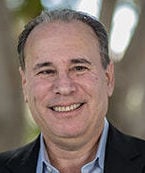
David Zaslowsky is partner in the Litigation Department of Baker McKenzie's New York office. He helps companies solve complex commercial disputes in arbitration and litigation, especially those involving cross-border issues and Section 1782 discovery. David has a degree in computer science and, as a result, has worked on numerous technology-related disputes, including, most recently, those involving blockchain and artificial intelligence. In April 2025, Attorney Intel named David one of the top 25 blockchain lawyers in the country. He is the editor of the Firm's blockchain blog and co-editor of the firm's International Litigation & Arbitration Newsletter. David has been included for a number of years in the Chambers USA Guide and Chambers Global Guide for his expertise in international arbitration. He also sits as an arbitrator and is on the roster of arbitrators for a number of arbitral institutions. David sits on the Board and chairs the governance committee of the New York International Arbitration Center, and is a founding member of the International Arbitration Club of New York. For over 35 years, he has written and spoken often on the subjects of arbitration and international litigation.